Cute Hippo: A Professional Review for Branded Merchandise
First Impression for Business Branding
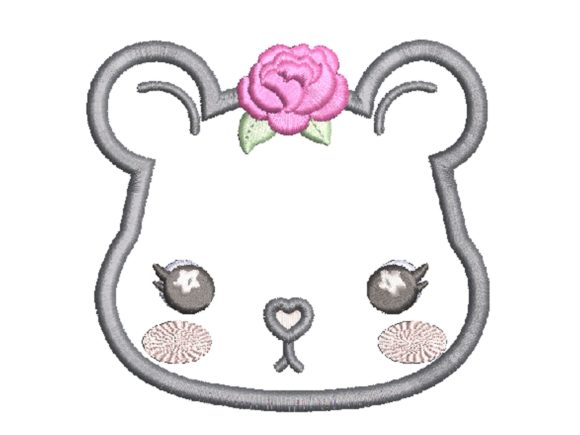
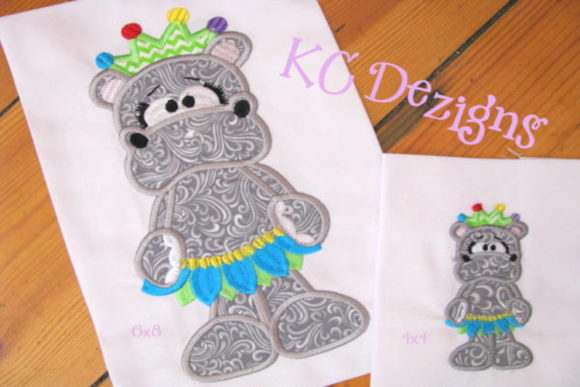
When I first assess an embroidery design like Cute Hippo, my immediate focus is its brand personality. From the title and description, this design leans strongly into a playful, friendly, and whimsical aesthetic. It's clearly a character-driven piece, described as "perfect for the kids," which telegraphs warmth and approachability. For a business, this translates into a handmade and welcoming feel. It doesn’t scream corporate or ultra-modern; instead, it offers a classic, rustic charm. This can be a tremendous asset for small businesses looking to soften their visual identity and connect on an emotional level.
Real-World Applications for Small Business Merch
As a professional embroidery designer, I evaluate how a file performs across the spectrum of typical small business merch. Cute Hippo has significant potential here.
Embroidered Patches and Product Labels
This design is a prime candidate for creating embroidered patches. A well-made patch featuring the Cute Hippo could serve as a premium add-on for a boutique's products, a loyalty gift, or event merchandise. It could be stitched onto a tote bag as a standalone mark or used as a product label on handmade items from a creative studio or Etsy shop. The character's friendly face enhances the perceived value of a handmade product.
Staff Uniforms and Custom Apparel
Consider this for apron embroidery in a bakery or café, or as a subtle chest logo accent on staff polo shirts for a pet brand or florist. It would inject personality into work shirts without being overwhelming. For cap embroidery, it could work wonderfully as a front design, provided the chosen hoop size is appropriate for the cap's curved surface.
Branded Accessories and Customer Engagement
Imagine the Cute Hippo on the corner of a reusable tote bag from a local boutique—it becomes a recognizable, branded accessory that customers carry. This kind of visual consistency builds brand identity and fosters customer recognition over time.
Where to Use Cute Hippo with Care
Every machine embroidery design has practical limitations, and a successful business application requires acknowledging them.
- Small Patch Sizes & Detailed Outlines: If you intend to use this at a very small scale, you must check how the design condenses. The description notes it's available in 3 different hoop sizes, which is excellent. Always test the smallest available size on real fabric to ensure details like the hippo's features remain clear and don’t become a muddled, high-stitch-density blob.
- High-Stitch-Density Areas & Fabric Texture: Applique designs can manage stitch density well, but you should still review the file's spacing. Test it on the actual fabric texture you plan to use—a thick twill for a cap versus a smooth cotton for an apron. Using the proper stabilizer is non-negotiable for a clean finish on any item.
- Dark Uniforms and Thread Color Contrast: The design's playful nature might rely on specific color contrasts. Always test it in black and white thread first to understand its core form. Then, plan your thread colors to ensure the Cute Hippo stands out vividly against darker uniform fabrics, like navy work shirts.
- Items for Frequent Washing: For merchandise or uniforms that will undergo regular washing, the integrity of the embroidery is key. A well-digitized applique design should hold up, but again, testing on a sample with multiple wash cycles is a smart business practice.
Impact on Brand Identity and Professionalism
Incorporating Cute Hippo into your business assets is more than just decoration; it’s a strategic brand decision. For a small café, bakery, or handmade shop, it can elevate the handmade presentation, making products feel more personal and crafted. This builds customer trust and engagement. It signals that your business values charm and connection, which can differentiate you in a crowded market. However, it’s crucial to ensure the design aligns with your overall visual style. Before full-scale production, I always advise creating a printable mockup to see how the Cute Hippo looks beside your other design assets, like your logo or typography. Does it complement them? Does it feel cohesive? This step protects your brand identity and ensures visual consistency.
Essential Designer Notes Before Business Use
Here are my practical, step-by-step recommendations for any business or decorator planning to use this digital embroidery file for commercial embroidery projects.
- Confirm the Basics: While the description mentions 3 hoop sizes, check the specific sizes and file formats provided with the design to ensure compatibility with your machine and software.
- Test at the Target Size: Embroider a sample at the exact size you intend to use, especially if aiming for a small patch or cap front. This reveals any potential issues with detail loss or stitch pull.
- Review on Real Materials: Don't just trust the screen. Stitch it out on the actual fabric type—denim for a tote, polyester for a cap, canvas for an apron—using appropriate stabilizer.
- Check Commercial Licensing: This is paramount. Before using the Cute Hippo design on any merchandise for sale, verify the license terms of the embroidery file to ensure commercial use is permitted.
- Create a Client Mockup: If you’re an embroidery shop producing for a client, always provide a mockup for approval. This prevents misunderstandings and ensures the finished product meets their brand expectations.
- Compare and Contrast: Place the embroidered sample next to your other branded elements. Does the Cute Hippo enhance your merchandise’s story and value?
Ultimately, the Cute Hippo embroidery design is a versatile and characterful asset. Its place in the Baby Animals category and its Embroidery type make it a natural fit for businesses wanting to project warmth and creativity. By applying these professional review principles, you can confidently integrate it into your branded patches, uniforms, and merchandise, turning a cute design into a powerful tool for customer connection and brand recognition.