Chick Holding a Flower: A Cute Farmhouse Embroidery Design Review
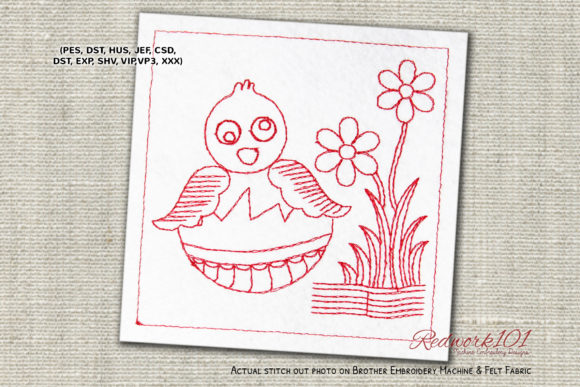
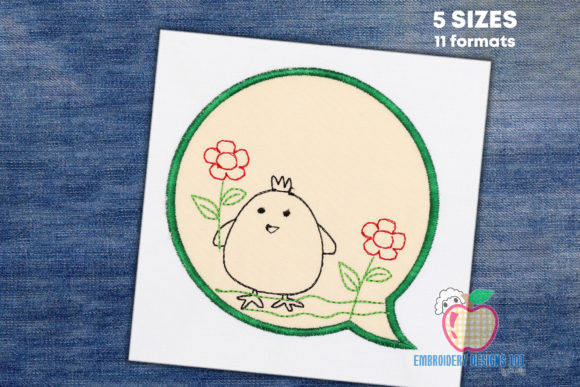
From my booth at the weekend craft fair, I’m looking at my sample products and judging which designs will draw customers in. Today, I’m reviewing the Chick Holding a Flower embroidery design, considering it purely from the perspective of turning it into sellable handmade products. This is a simple and super cute applique pattern, and its potential is immediately clear.
First Impression: Soft, Cute, and Universally Appealing
The title alone tells you everything: Chick Holding a Flower. This isn’t a bold or abstract piece; it’s soft, approachable, and charming. It leans into a gentle farmhouse aesthetic without being overly rustic. For customers browsing a handmade market, this design communicates warmth and whimsy instantly. It feels giftable—something you’d buy for a friend’s new baby, a spring-themed kitchen, or just because it makes you smile. That emotional hook is crucial for craft fair sales.
Where This Design Stands Out on Products
Not every machine embroidery design works on every product. You have to match the design’s mood to the item’s function. For Chick Holding a Flower, some applications are natural winners.
Top Tier Product Matches
Tea Towels and Aprons: The farm animal category and the cute, decorative nature of this design make it a perfect fit for kitchen textiles. On a tea towel, it becomes a functional piece of art. On an apron, it adds a personal, handmade touch that buyers love. The design is likely simple enough that stitch density won’t be a problem on textured towel fabric, but a good stabilizer will be key.
Tote Bags and Market Bags: As a focal point on a tote bag, this design works beautifully. It’s not too large or overpowering, but it’s clear and engaging from a distance—important for a booth display. A chick holding a flower on a natural canvas tote bag feels both practical and premium.
Pillow Covers and Small Pouches: For home decor or little fabric pouches, this design adds a touch of springtime charm. It elevates a simple pillow cover into a specific, themed item. As a small accent on a pouch, it turns a utility item into a gift.
Consideration Needed Products
Caps and Patches: The curved surface of a cap can challenge any design. Chick Holding a Flower would need to be tested at a smaller size to ensure the applique details remain clear. As a standalone embroidered patch, it could be very successful, especially if the flower has good color contrast. This is a great small shop product.
Dark Fabric Applications: The cuteness of this design relies on soft, bright colors. If stitching on dark fabric, thread color choice becomes critical. The chick and flower need to pop, so high-contrast thread selections are a must. Always test on scrap fabric first.
Practical Production & Selling Points
As an embroidery business owner, you’re not just judging aesthetics; you’re judging production flow and sales potential.
Ease of Production and Batch Work
The description calls it a “simple applique pattern.” Simplicity is a massive advantage for batch production at craft fairs. It likely means reasonable stitch counts, faster run times, and less thread consumption. This design feels repeatable—you could efficiently produce a dozen tote bags or tea towels without each one feeling like a huge project. The inclusion of multiple embroidery file formats is a huge practical benefit, allowing you to use it across different machines.
Visual Clarity at a Glance
At a busy market, customers decide quickly. Chick Holding a Flower is easy to understand instantly: it’s a cheerful bird with a flower. This visual clarity photographs well for online Etsy listings and printable mockups, and it draws attention in a physical booth. It works as both a small accent and a medium-sized focal design, depending on your hoop size choice.
Photography and Online Sales
For your Etsy shop or digital listings, this design will photograph cleanly. The cute subject matter is inherently engaging. Create real mockups—put it on a towel, bag, or pouch and shoot it in natural light. The handmade quality shines through. Avoid relying only on digital mockups; the texture of the embroidery and fabric adds real value.
Careful-Use Notes for the Embroidery Designer
Even simple designs require professional prep. Here are my hands-on notes for using Chick Holding a Flower for commercial embroidery products.
- Test First: Always embroider this design on a scrap of your target fabric first. Check for any dense stitch areas, especially if the flower or chick outline is very detailed.
- Thread Contrast: Plan your thread colors carefully against your fabric color. The appeal is in the cute clarity, so don’t let it get lost.
- Hoop Size & Scaling: Confirm the recommended hoop size from the design files. If you need to scale it down for a cap or patch, inspect the stitch file carefully. Tiny details may lose definition.
- Stabilizer Choice: Fabric texture matters. For tea towels or bags, use an appropriate stabilizer to prevent puckering and keep the design looking crisp.
- Create a Real Sample: Before batch production, make one finished product as your booth sample. This lets you judge the final look and feel.
- Commercial Use: The description mentions it’s a machine embroidery design for use. Always confirm the licensing terms for selling finished products before you invest in materials and time.
Final Judgment: A Strong Contender for the Craft Fair Booth
Chick Holding a Flower is a design with strong commercial potential for creative entrepreneurs. It hits the right notes of cute, soft, and farmhouse without being niche. It translates well to high-demand craft fair products like kitchen textiles and tote bags. Its simplicity supports efficient batch production, which is vital when stocking a booth. For embroidery business owners and boutique makers, this design can enhance brand consistency with a cheerful, nature-inspired theme. It attracts customer attention, adds perceived value to basic items, and ultimately, it’s the kind of design that makes someone stop, smile, and reach for their wallet. My advice: test it thoroughly, choose your best product match, and get it hooped up for your next market weekend.