Delightful Honey Bee: A Design Review for Business Merchandise
As an embroidery designer who works with small businesses daily, I approach every design not just as an art file, but as a potential brand asset. Today, I’m reviewing the Delightful Honey Bee machine embroidery design from the perspective of a professional preparing it for real-world business use—for branded patches, staff uniforms, caps, tote bags, and product labels.
First Impression: Friendly, Handmade, and Professionally Detailed
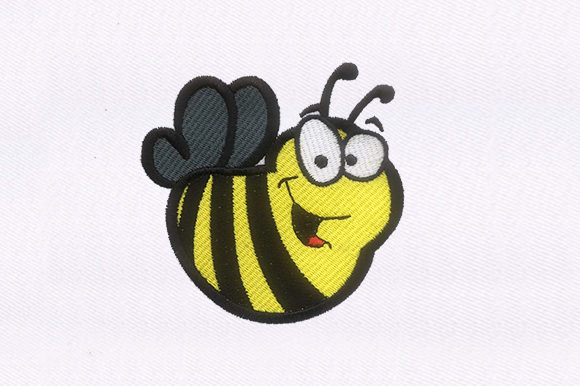
The title Delightful Honey Bee perfectly captures the design’s personality. This is not a stark, corporate logo. It feels friendly, inviting, and carries a handmade, artisanal charm. The intricate detailing implied by the stitch count suggests a premium, crafted look that small businesses—like a cozy café, a boutique bakery, a creative florist, or a local pet brand—would covet. It strikes a balance between playful and elegant, making it versatile for businesses that want to appear both approachable and professional.
Real Business Applications: Where This Design Thrives
For a small business owner looking to elevate their merchandise, the Delightful Honey Bee offers numerous compelling applications. Its dimensions make it ideal for a central logo accent.
Uniforms and Workwear Branding
Embroidered onto staff aprons or the chest of work shirts, this design conveys a sense of care and quality. For a bakery or café, the honey bee motif aligns beautifully with themes of natural sweetness and hard work. On a dark uniform fabric, with careful thread color selection for contrast, it becomes a subtle yet recognizable brand mark.
Custom Patches for Merchandise and Gifts
As an embroidered patch, it can transform simple tote bags, hats, or jackets into branded customer gifts or event merch. A patch offers flexibility; it can be applied to various products, creating visual consistency across a boutique’s merchandise line. For an Etsy seller or craft business, adding a Delightful Honey Bee patch to a handmade product acts as a signature, increasing perceived value and buyer engagement.
Cap Fronts and Accessory Details
The 4×4 hoop size is standard for cap fronts. This design could serve as a perfect side or front emblem on caps for a gardening studio, a farmer’s market vendor, or a rustic brand. The friendly aesthetic makes it a desirable item for customers to wear.
Careful Considerations for Successful Embroidery
While the design is promising, successful commercial embroidery requires practical testing. Here are key areas to evaluate before production.
Testing at Smaller Scales and on Curved Surfaces
If you intend to use it at a reduced size for a tiny patch or a sleeve detail, you must test the embroidery file thoroughly. High stitch density designs can become muddy if shrunk too much. Always stitch it out at your intended size on the actual fabric first. For cap embroidery, the curved surface can affect the perception of the outline; a test run is non-negotiable.
Fabric, Stabilizer, and Thread Color Contrast
The texture of your base material—whether a thick tote bag canvas, a smooth apron twill, or a stretchy polo shirt—will dramatically affect the final look. Always use the proper stabilizer. Furthermore, this design likely relies on contrast between elements. Test it in monochrome first—black thread on a white scrap—to check the integrity of the outlines and spacing. Then, choose your brand’s thread colors with contrast in mind, especially for darker uniforms.
Longevity and Professional Finish
Items like work shirts and aprons need frequent washing. A clean, dense embroidery with good underlay will hold up better. Inspect your test sample for any potential thread breaks or overly dense areas that might wear faster. This protects your brand identity from looking faded or unprofessional over time.
How This Design Builds Brand Identity and Trust
Embroidery isn’t just decoration; it’s a communication tool. A well-executed Delightful Honey Bee on your products tells a story. It suggests attention to detail, a commitment to craftsmanship, and a friendly brand personality. This builds customer trust and recognition. When a customer sees the same delightful bee on your store apron, your market tote bag, and your product packaging accents, it creates a cohesive, memorable brand experience. For a handmade business, this level of visual consistency elevates the entire presentation.
Practical Designer Notes for Commercial Use
Before you commit this design to a large order of custom apparel or patches, follow this checklist.
- Create a Physical Mockup: Never rely solely on a digital image. Stitch the design out on a sample of your final product fabric. This sample is crucial for client approval and your own quality assurance.
- Compare Design Assets: Place the embroidered sample beside your other branding elements—your logo, your font style—to ensure visual harmony.
- Confirm Technical Details: While this review is based on the provided specifications (like the 4×4 hoop size and the wide range of embroidery file formats including PES, DST, and JEF), always verify the exact stitch count, file format compatibility with your machine, and hoop size requirements from your source before starting production.
- Secure Licensing for Business: Crucially, confirm that your purchase or download of this digital embroidery file includes a license for commercial use. This is essential for legal small business merch production.
- Utilize Printable Mockups: For selling products online, use images of your finished embroidered item to create printable mockups for your website or Etsy listings. This shows customers the premium quality they will receive.
The Delightful Honey Bee is more than a Bugs category embroidery file. It’s a brandable asset with the right character for many small businesses. With professional preparation and testing, it can become a beloved symbol on your merchandise, enhancing your products and strengthening your brand’s story in every stitch.