Orthoptera Redwork: A Professional Design Review for Merchandise
First Impressions: A Design That Balances Playfulness and Precision
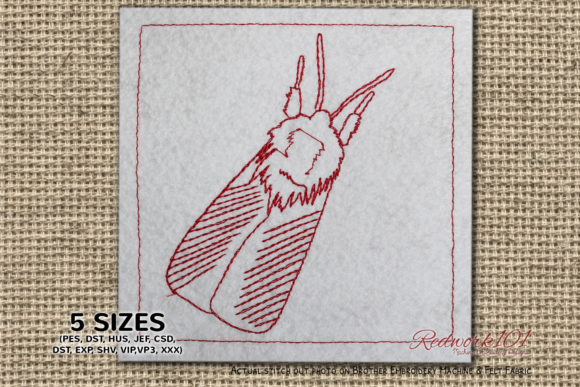
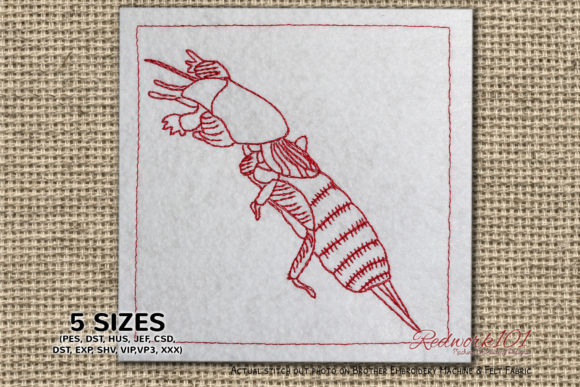
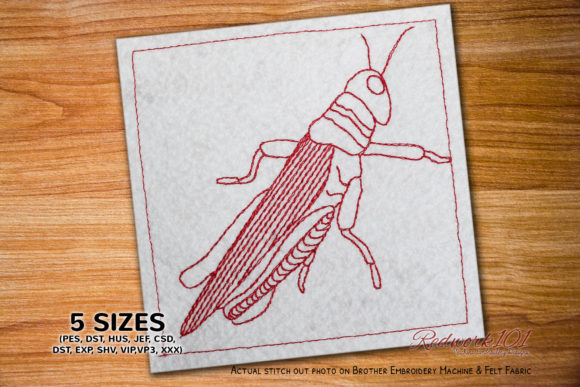
When an embroidery file like Orthoptera Redwork comes across my desk, my first job is to assess its character for business applications. The title suggests a specific, natural subject—a grasshopper or cricket from the orthoptera order—rendered in a classic “redwork” style, typically implying a single-color, often outline-driven design. This creates an immediate impression that is both rustic and elegant. It feels handmade yet premium, a combination that many boutique brands, creative studios, and artisan businesses actively seek. It’s decorative without being overly fussy, which gives it a versatile professional quality.
Evaluating Orthoptera Redwork for Real-World Business Merchandise
As a designer, I imagine a client—perhaps a small café named “The Cricket Bakery,” a florist with a garden-inspired brand, or an Etsy seller specializing in nature-themed crafts. They need a consistent brand mark across various products. Orthoptera Redwork can serve beautifully as a secondary brand accent or a primary logo if their identity aligns with the bug category.
Prime Applications for Branded Goods
For small business merch, this design excels in several key areas:
- Embroidered Patches: Its likely outline-based construction makes it ideal for a clean, crisp patch. This can be applied to denim jackets, backpack straps, or as a product label for handmade goods, enhancing product value and brand recognition.
- Staff Uniforms & Aprons: As a sleeve detail or a chest logo on a chef’s apron for a bakery or café, it adds a touch of personality without overwhelming the garment. It suggests a friendly and specialized business.
- Cap Embroidery & Tote Bag Design: On the front of a cap or the corner of a reusable tote bag, the design offers a recognizable mark for customer gifts or event merch. Its aesthetic supports a handmade product narrative.
- Product Packaging Accents: Imagine a small embroidered patch sewn onto a burlap pouch for a pet brand’s treats or a craft business’s kits. It acts as a tangible brand identity seal.
Navigating Potential Application Challenges
Every digital embroidery file requires careful consideration in certain scenarios to maintain quality.
- Small Patch Sizes: If the client needs a very small patch (under 1.5 inches), the detail in the insect’s legs and form must be checked. Test it at the target size first to ensure clarity.
- Cap Fronts & Curved Surfaces: Embroidering on curved surfaces like caps demands a stable design. The optional box stitch mentioned could provide a framing border for stability, but if skipped, ensure the core design has good structural integrity.
- Dark Uniforms & Fabric Texture: On dark fabrics, you may need to adjust thread colors for contrast. Always test on real fabric samples first. Textured fabrics like tweed or canvas may require a heavier stabilizer to keep the stitch density looking sharp.
- Items for Frequent Washing: For work shirts or aprons that see heavy use, a clean, solid outline design like this often holds up better than very fine, detailed fill stitches, but proper thread and stabilizer choice are still critical.
The Impact on Brand Identity and Customer Perception
Using Orthoptera Redwork thoughtfully on your merchandise directly affects how customers see your business. It conveys visual consistency. When the same grasshopper appears on your staff’s aprons, your shop’s tote bags, and your product packaging, it builds a cohesive story. This professionalism fosters customer trust.
For a niche business, it creates immediate engagement; a customer interested in nature, gardening, or unique aesthetics will connect with the brand more deeply. It elevates a simple item—a plain cap or apron—into a custom apparel piece that feels intentional and valuable, increasing buyer engagement and loyalty.
Practical Designer Notes for Commercial Embroidery Projects
Before running any production, here are my standard professional checks for a file like Orthoptera Redwork:
- Test in Black and White: Run a test stitch-out using a single, high-contrast color (like black on white fabric) to evaluate the core outline integrity without the optional box or color variations.
- Review Thread Color Contrast: Plan your color scheme based on the final garment. The description notes the outer box color can differ or be skipped, offering flexibility. Choose colors that pop against your fabric.
- Inspect Spacing and Hoop Size: Ensure the design elements have adequate spacing to prevent thread buildup. Confirm the design is suitable for your target hoop size for patches or apparel.
- Create a Mockup for Client Approval: Always generate a printable mockup showing the design on a cap, shirt, or bag. This prevents misunderstandings and ensures the client sees the final finished product vision.
- Compare Design Assets: Place a stitch-out or mockup of Orthoptera Redwork beside your other logo elements. Does it complement them? Does it stand alone well?
- Confirm Commercial Licensing: The product description does not specify license terms. This is a crucial step. Before using this machine embroidery design for any business merchandise, you must verify the license permits commercial embroidery and production for sale.
Final Thoughts for Merch Creators
Orthoptera Redwork presents a charming and versatile option for businesses looking to embed a natural, artisanal feel into their physical design assets. Its potential as an embroidered patch is particularly strong for handmade brands and Etsy sellers. By following a disciplined testing and application process, you can leverage this design to strengthen your brand’s story across uniforms, merchandise, and product details, turning a simple bug motif into a powerful symbol of your business’s unique character.