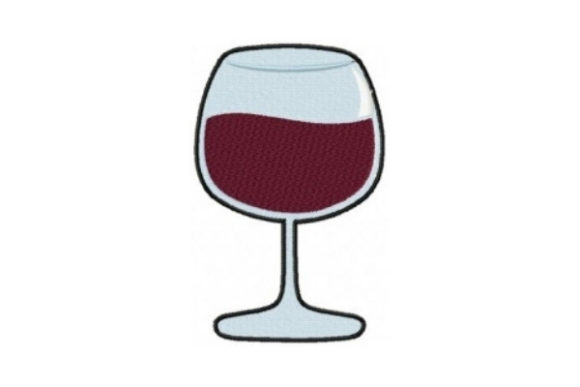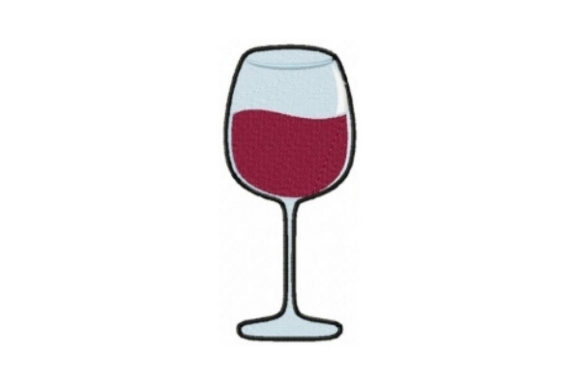
Reviewing the Red Wine Glass Embroidery Design for Boutique Apparel
When a boutique brand commissions a limited sweatshirt drop, the chosen embroidery design becomes the heart of the product. It’s not just a decoration; it’s a statement of brand identity and quality. Today, I’m evaluating the Red Wine Glass machine embroidery design from the perspective of a professional preparing a premium collection for a small shop. The product description tells us it’s a cute design for wine lovers, promising to look great on any fabric. Let’s see if it lives up to that promise in a real-world, commercial embroidery scenario.
First Impression: Mood and Stitching Personality
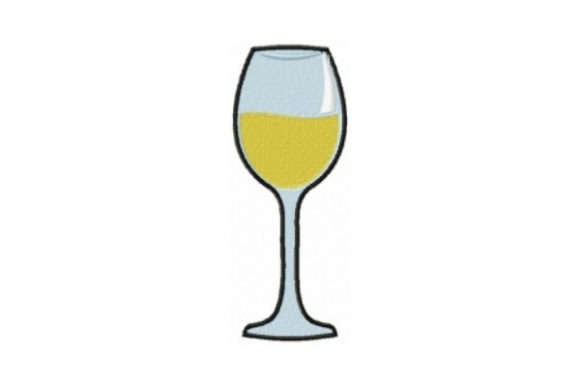
Upon opening the Red Wine Glass embroidery file, the first impression is one of playful sophistication. The title suggests a singular, focused graphic—likely a stylized illustration of a wine glass. This implies a design that is more than a basic icon; it should have character. For a boutique sweatshirt, this is crucial. The mood leans towards cute and feminine, but with the potential for a bold or rustic feel depending entirely on execution. The layout appears to be a central, standalone motif, perfect for a chest placement on a hoodie or sweater. The detail level will determine its final personality: is it minimal and clean, or decorative with intricate line work? This will affect thread color choice and final visual weight on the garment.
Application on Premium Sweatshirts: A Design Evaluation
Imagine this design stitched onto a range of fabrics for a seasonal collection. On a neutral sweatshirt—cream, oatmeal, or grey—the Red Wine Glass would pop, offering a crisp, focused statement. The contrast would be high, creating a premium, intentional look. On dark fabric like charcoal or black, the design would need bright, carefully chosen thread colors to maintain its visibility and avoid getting lost; a true red or a wine-toned burgundy would be essential. For pastel colors—a blush pink or soft mint sweatshirt—the design could take on a more playful, casual vibe, perfect for a cozy, feminine aesthetic.
Considering today’s popular oversized hoodies and cozy seasonal apparel, the scale of the design is key. A design too small can feel lost on an oversized garment, while one too large can overwhelm. The Red Wine Glass likely works best as a medium-sized chest logo or a sleeve accent. For a back design, it might need to be enlarged or paired with text to fill the space appropriately for a statement piece. Its “cute” descriptor suggests it might excel as a smaller, charming detail on the sleeve or near the pocket, adding a touch of handmade personality without dominating the garment.
Practical Concerns for Commercial Embroidery Use
As a professional, my next thoughts turn to the practicalities of running this design on a production machine for a small shop product.
- Thread Color Contrast: The name “Red Wine Glass” strongly suggests a dominant red element. I’d plan for a rich, wine-like red thread for the glass itself, but the design may include outlines or highlights in contrasting colors (like a stem in white or gold) to ensure readability. This must be checked in the file preview.
- Stitch Density & Fabric Thickness: Sweatshirt material, especially premium cotton blends, has a significant thickness. A design with overly high stitch density can become stiff and uncomfortable, while too little density may look sparse. The Red Wine Glass needs to balance detail with wearability.
- Stabilizer Choice: For sweatshirt embroidery, a firm cut-away stabilizer is often necessary to prevent puckering and maintain the design’s shape after washing, which is vital for washing durability and customer trust.
- Small-Size Readability & Hoop Placement: If the boutique wants a smaller version for a sleeve or collar, the design’s details must remain clear when stitched at a reduced size. This requires clean, well-defined paths in the embroidery file. The required hoop size will dictate which garment areas we can efficiently target.
A critical reminder: the provided description does not list specific technical details like exact stitch count, file formats, or included hoop sizes. Before any production, the shop owner must review the embroidery file’s actual specifications to confirm compatibility with their machines and the intended garment sizes.
Building Brand Value and Customer Engagement
For a small boutique brand or an Etsy seller, the embroidery design is a direct investment in brand identity and product value. A well-executed Red Wine Glass on a high-quality sweatshirt elevates the item from generic to custom apparel. It feels intentional and premium. In product photography and Etsy listings, a crisp, clean embroidery detail like this becomes the focal point. It allows for beautiful lifestyle product photography—the sweatshirt draped over a chair with a real wine glass nearby, telling a cohesive story.
Using printable mockups and design assets to preview the design on various sweatshirt colors helps with customer engagement and visual recognition. When a buyer sees a consistent, well-crafted embroidered logo across a brand’s collection, it builds buyer trust in the handmade product’s quality. This design, with its niche appeal to wine lovers, instantly creates a connection with a specific audience, making the apparel feel personal and specialized.
Final Verdict for Boutique Merchandise
The Red Wine Glass machine embroidery design holds strong potential for a boutique sweatshirt line. Its themed focus is a marketable advantage. For it to succeed as commercial embroidery, the technical execution must be flawless: appropriate density for fabric texture, clear contrast for visual impact, and durable stitching for longevity. Assuming the digital embroidery file is well-constructed, this design can transition from a cute idea to a strong branded element that feels both decorative and minimal enough to appeal to a style-conscious customer. It would not look out of place on a relaxed, rustic garment nor on a sleek, feminine piece—its versatility, as promised in the description, is its greatest asset. The final, finished product on a cozy sweatshirt would offer a charming, conversation-starting detail that perfectly blends hobbyist passion with boutique professionalism.