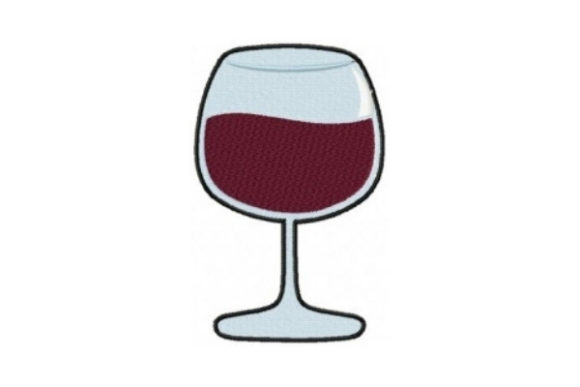
Short Red Wine Glass: A Designer's Review for Craft Fair Success
As an embroidery designer preparing for a weekend craft fair, every design file gets a practical review. It’s not just about whether it’s cute; it’s about whether it will sell, look great in person, and be a practical choice for batch production. Let’s evaluate the Short Red Wine Glass embroidery design from this real-world, booth-ready perspective.
First Impression: Cute, Clear, and Universally Appealing
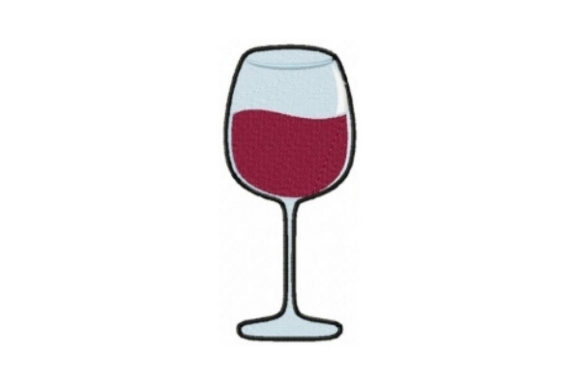
The title Short Red Wine Glass immediately sets a tone. It’s not overly fancy or rustic; it feels cute, modern, and decorative. This is a straightforward, recognizable symbol for wine lovers. That universality is its first selling strength. At a craft fair, customers glance at a booth for mere seconds. A design that’s instantly understood—like a simple wine glass—has a much higher chance of catching their eye. It doesn’t require explanation. It speaks directly to a wide, passionate niche: wine enthusiasts, gift shoppers, and home decorators.
Product Placement: Where This Design Will Shine
Imagine your display table: tote bags, aprons, tea towels, caps, small pouches, and pillow covers. The Short Red Wine Glass design has versatile potential, but its best performance will be on specific items.
Top Tier Products:
- Kitchen & Home Linens: This is its natural habitat. Embroidered on a tea towel or apron, it feels purposeful and charming. It elevates a simple kitchen towel into a perfect, giftable handmade product.
- Tote Bags & Market Bags: On a neutral or dark fabric tote, the red glass becomes a bold, fun accent. It suggests a lifestyle—casual, social, relaxed—which resonates with buyers.
- Embroidered Patches: As a patch, it’s an excellent small shop product. It can be applied to hats, jackets, or bags, offering customization. Its simple shape ensures clean edges when stitched as a patch.
Consideration Products:
- Caps: The curved surface of a cap can distort designs. A simple, centered Short Red Wine Glass could work well, but you must test on actual cap fabric to ensure the stitches conform nicely without puckering.
- Pillow Covers: For home decor, it works as a repeated motif or a single, larger focal point. It leans more cute than elegant, so it fits a casual, contemporary living space.
- Small Pouches & Gift Items: Perfect for creating coordinated sets, like a wine-themed pouch and towel. This boosts your booth’s display strength by showing versatile application.
Photography and Online Listings
For your Etsy listings or digital shop, this design photographs well. A single, solid-color icon against fabric creates clear, high-contrast images for printable mockups and real product photos. The red color, implied by the title, will pop on lighter fabrics like linen or cotton. On dark fabrics, you’ll need to choose a bright, contrasting thread (like a true red or even a white outline) to maintain that visual appeal. Always create at least one real mockup to photograph; it proves the handmade quality and gives customers a true sense of scale.
Batch Production and Efficiency
This design feels highly repeatable. Its likely simplicity means reasonable stitch counts and faster machine run times, which is crucial when producing multiple tea towels or tote bags for a fair. However, always check the actual stitch density and hoop size of the embroidery file before batch work. Dense stitch areas on a small design can cause fabric distortion, especially on textured towels or thinner totes. Use the correct stabilizer for each fabric type to preserve that clean, cute look across all your products.
Scale and Detail Considerations
The description says it “will look great on any fabric.” While that’s hopeful, a designer must be cautious. Tiny details or small lettering (if included in the actual file) can lose clarity at very small sizes. The Short Red Wine Glass likely works best as a medium-sized accent—not a tiny logo. Test it on scrap fabric at different sizes. As a large focal design on an apron, it could be bold and effective. As a small accent on a cap, it might need simplification. This evaluation directly affects customer attention; a blurry, over-stitched small icon looks cheap, while a crisp, well-proportioned one adds product value.
Booth Strategy: Driving Engagement and Sales
At the fair, your products tell a story. Consistently using the Short Red Wine Glass across a curated product line—say, tea towels, totes, and patches—creates a cohesive mini-collection. This brand consistency makes your booth look professional and thoughtfully designed. Display these items together. A customer who loves the design on a towel might then see it on a tote and decide to buy both, increasing engagement and sales.
Furthermore, this design invites conversation. It’s a friendly, social motif. You can easily engage buyers by asking, “Are you a wine enthusiast?” or mentioning it’s a perfect gift. This human connection, sparked by a relatable design, is the heart of successful craft fair selling.
Final Designer Notes Before You Hoop the Fabric
Before you commit this design to a dozen tea towels for your handmade market booth, do your due diligence. Here is your final pre-production checklist:
- Test on Scrap Fabric: Use the exact fabric types you plan to sell (linen, cotton canvas, denim). Check for thread contrast and overall clarity.
- Review File Details: While the description provided is basic, you must inspect the actual embroidery file for exact thread color count, stitch density, and required hoop size. This dictates your material planning.
- Confirm Commercial Use: Ensure your digital embroidery file license permits commercial embroidery on finished products you sell. Never assume.
- Compare Fabric Colors: Stitch the design on light, medium, and dark fabric scraps. See how it performs. The “red wine glass” might need a brighter red thread on dark fabrics to stand out.
- Plan Your Booth Samples: Your best-selling item with this design should be made as a pristine, high-quality booth sample. It’s your first impression. Make it impeccable.
The Short Red Wine Glass embroidery design has strong foundational appeal for the craft fair and handmade market world. Its cute, universal theme, applied thoughtfully to the right products with careful production, can become a reliable, attractive part of your small shop product line. Focus on where it looks crisp and purposeful, and it will not only decorate fabric but also help your business grow.