Wine Embroidery Design: A Professional's Review for Real Projects
When a new embroidery file lands in my library, my first thought is always about its real-world application. Can this design hold up on a customer’s sweatshirt? Will the details survive repeated washes on a kitchen towel? I approached the Wine embroidery design from Creative Fabrica with these practical questions in mind, considering it for upcoming orders for custom apparel and handmade gifts.
First Impression: Decorative Charm with a Clear Mood
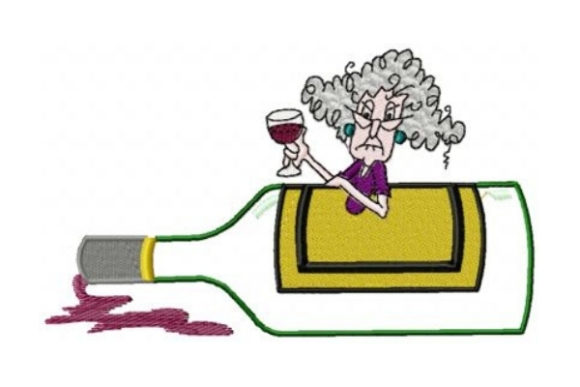
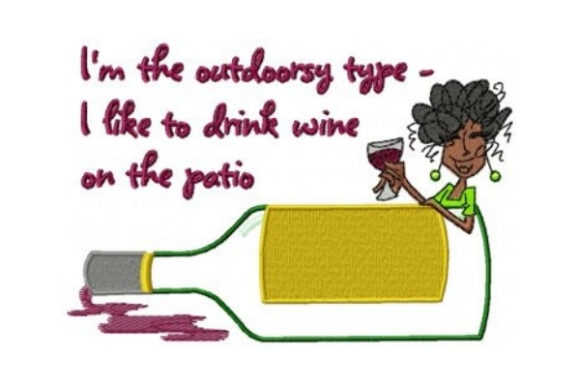
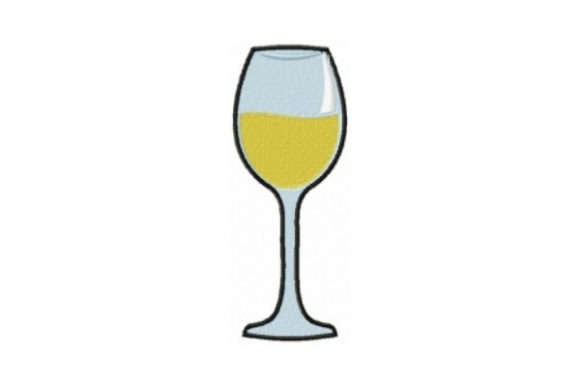
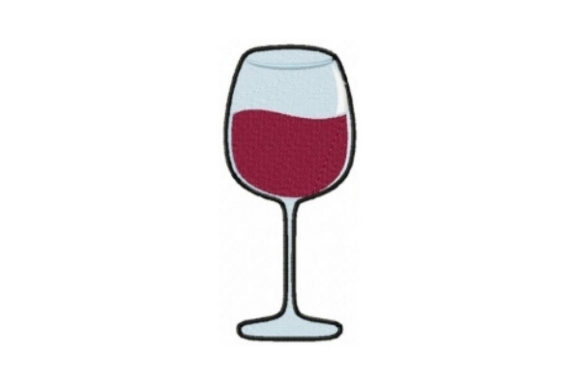
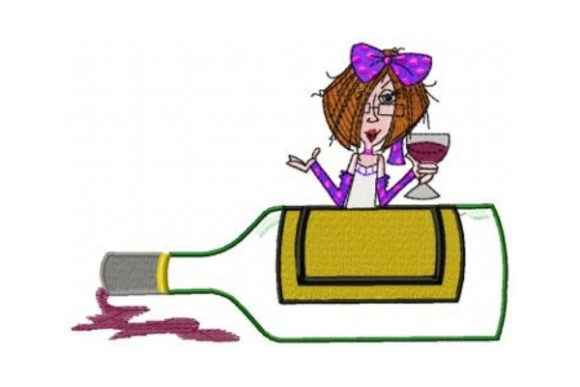
The Wine design immediately presents a playful, celebratory mood. It feels less like a technical graphic and more like a decorative emblem, something designed to evoke a sense of enjoyment and personal taste. This personality is its greatest strength for certain projects. Visually, it suggests a design that would work beautifully as a focal point on an apron, a tote bag, or a pillow cover intended for a gift. The detail level appears balanced, avoiding overly simplistic geometry that can feel cheap, yet not so intricate that it becomes daunting for smaller hoop sizes.
Where This Embroidery Design Naturally Fits
Based on its aesthetic, the Wine embroidery file naturally aligns with a specific range of projects. It’s perfect for personalized gifts for wine enthusiasts, such as custom kitchen towels, elegant apron sets for craft fairs, or decorative pillow covers for a home boutique. For Etsy sellers and small business owners, this design could enhance a line of themed merchandise—think coordinated tote bags and caps for a vineyard visit or a gift basket. Its decorative appeal makes it a strong candidate for products where visual storytelling is key, like baby blankets for a wine-loving family or nursery decor with a sophisticated twist.
For apparel decorators, it could serve as a charming detail on the sleeve of a sweatshirt or the front of a relaxed tee. As an embroidered patch, it could be applied to denim or leather, adding a custom touch. The design’s mood suggests it would photograph well for product listings and printable mockups, helping to engage customers who are looking for a unique, handmade presentation.
Practical Performance in Real Embroidery Work
Moving from visual appeal to the machine is where a design truly proves its value. For the Wine design, practical use requires careful consideration. I would strongly advise testing it on scrap fabric first, especially if you intend to use it on textured fabric like linen or stretchy fabric like cotton jersey for sweatshirts. Check the stitch density in any preview files or by running a small section; dense fill stitch areas can be challenging on caps or delicate baby items if not properly managed.
Dark fabric presents a classic challenge for any embroidery design. With Wine, considering the likely color palette of grapes and leaves, thread color contrast is paramount. You might need to adjust default thread colors to ensure the design pops on a black or navy tote bag. For curved cap surfaces, examine the design's layout—small, clustered details or tiny lettering within the design might not translate well to the curved hoop and could require simplification.
Products that need frequent washing, like aprons and kitchen towels, demand robust stitching. Inspect small details after your test stitch; running stitches or very fine satin stitch borders can be vulnerable. Using the proper stabilizer for your base fabric is non-negotiable here to preserve the design's integrity and maintain that high-quality handmade presentation that builds buyer trust.
Key Steps Before Starting a Commercial Project
- Always test the embroidery file on a scrap of your target fabric.
- Review the stitch density by observing a preview or stitching a sample section.
- Check thread color contrast for both light and dark fabric backgrounds.
- Confirm the hoop size required fits your intended product—some tote bags or pillow covers have limited hooping areas.
- Inspect all small details after stitching to ensure they are clean and secure.
- Always, always confirm the file details and licensing on the Creative Fabrica product page before selling finished items. This is crucial for commercial embroidery and digital product sellers.
Affecting Product Value and Customer Engagement
A well-executed embroidery design like Wine can significantly affect the perceived value of your handmade product. It adds a layer of customization and thoughtfulness that mass-produced items lack, directly enhancing giftability. For a small business owner, using a cohesive, well-designed asset like this across a product line—say, aprons, towels, and patches—can strengthen brand consistency.
The visual appeal of the finished stitch work is a major factor in product photography and, consequently, customer engagement. A clean, vibrant rendition of this design on a crisp pillow cover or a rustic tote bag makes for compelling Etsy listing photos or craft fair displays. It tells a story about the care put into the product, which fosters buyer trust. However, this positive impact hinges entirely on the technical execution. A poorly stitched version with puckering, broken details, or poor color choices will undermine all these potential benefits.
Final Thoughts for the Working Designer
The Wine machine embroidery design from Creative Fabrica offers a charming and thematically clear decorative asset. Its potential is strongest in gift-oriented, decorative projects where its mood can shine. For serious commercial embroidery projects, especially on challenging surfaces like caps or on stretch fabrics, a thorough pre-production test is essential to avoid costly mistakes on customer orders.
My recommendation is to consider this design for projects where you can control the fabric and hoop environment—like flat tote bags, pillow covers, or kitchen towels. It has the personality to elevate a product line and engage a niche audience. Before downloading or committing to a bulk order, however, leverage the information on the Creative Fabrica product page. Without knowing specifics like exact file formats or included sizes from the description provided, your due diligence is key. Check those details, stitch a test sample, and see how it performs on your specific material. That practical step will tell you definitively if this Wine embroidery design is worth pouring into your next project.