Candle Lightning Embroidery Design Review
As I prepare my inventory for the upcoming weekend craft fair, I’m constantly evaluating which designs will stand out on the table and connect with shoppers. Today, I’m looking at Candle Lightning, a machine embroidery design categorized for Birthdays. From a professional embroidery designer’s perspective, my review focuses on its real-world application: what sells, what looks good in person, and what’s practical to produce in batches for a busy booth.
First Impression: Decorative & Festive Potential
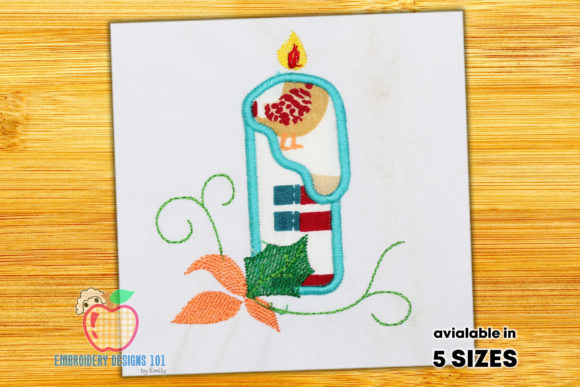
The title Candle Lightning immediately suggests a celebratory, perhaps even a slightly magical or whimsical, theme. Without seeing the actual stitch pattern, the name leans toward a decorative, festive feel rather than minimalist or rustic. This is promising for a craft fair environment where eye-catching, giftable items thrive. For a Birthday-themed product, this emotional hook—light, celebration, a candle’s glow—can be a strong selling point if the visual design executes it well. It feels like it could skew elegant or cute, and that versatility is valuable.
Where Candle Lightning Would Shine on the Sales Table
Visualizing my booth display—tote bags, aprons, tea towels, patches, caps, small pouches, pillow covers—I need to decide where this design will have the most impact. Candle Lightning needs a product that allows its details to be appreciated and that aligns with its celebratory mood.
Top Product Recommendations
- Tea Towels & Kitchen Aprons: Given the Birthday category, a beautifully embroidered tea towel or apron becomes a fantastic personalized gift. The design would need to be scaled appropriately to avoid overwhelming the fabric’s functional texture.
- Small Gift Pouches & Pillow Covers: These items feel inherently giftable. A Candle Lightning design on a fabric pouch or a small pillow cover could be a standout “ready-to-gift” item, especially if the design feels premium and well-executed.
- Tote Bags & Market Bags: As a larger focal point on a tote, the design could be very effective. However, its success depends entirely on the design’s composition. Is it bold enough to hold its own on a bag? Or is it better as an accent?
- Embroidered Patches: Patches are hugely popular. If Candle Lightning has clear, distinct elements without overly tiny details, it could be a fantastic standalone patch for crafters to apply to their own projects, expanding its market beyond just finished products.
Critical Production & Selling Considerations
Turning a digital embroidery file into a profitable, batch-produced craft fair product requires practical testing and forethought.
Design Clarity & Scalability
The description notes steps are separated by color, which is excellent for production control. However, I must assess:
- Does the design have tiny lettering or excessively dense stitch areas that might lose clarity, especially on textured fabrics like tea towels or the curved surface of a cap?
- How does it look at a smaller size for a pouch accent versus a larger size for a pillow cover? I would always test on scrap fabric at multiple scales.
- Will it photograph well for my Etsy listings and printable mockups? Designs with good contrast and clean lines sell better online. I’d test it on both light and dark fabric to check thread color contrast.
Batch Production Practicality
For a busy fair, I need designs I can repeat efficiently. I evaluate:
- Stitch Density: High density means longer stitch times and more thread, affecting my cost and time per item. I need to inspect this.
- Hoop Size & Stabilizer: The design comes in multiple embroidery file formats, which is great for machine compatibility. But I must confirm the optimal hoop size for my target products and use the correct stabilizer for each fabric type to ensure quality.
- Repeatability: Does Candle Lightning feel like a design customers would want on multiple products, or is it a one-off niche item? This affects how many I produce.
Enhancing Booth Appeal & Customer Engagement
A design doesn’t just decorate a product; it enhances my entire booth’s strength and my brand’s consistency.
If Candle Lightning is executed with high-quality embroidery, it elevates the perceived value of the item. A shopper noticing fine details on a tea towel or pouch recognizes the handmade quality immediately. This design could become a part of a cohesive “celebratory” or “gift” section within my booth, drawing in buyers looking for Birthday or special occasion presents.
Having at least one real, physical mockup of this design on a premium product (like a linen pillow cover) as a centerpiece sample is crucial. It allows customers to touch and see the texture, which digital mockups can’t convey. This tactile engagement often converts a glance into a sale.
Final Designer Notes Before Production
My workflow before committing Candle Lightning to my craft fair inventory includes these non-negotiable steps:
- Create a real mockup on the intended final product (e.g., a tea towel or tote bag).
- Compare how it looks on different fabric colors relevant to my brand and fair offerings.
- Review the spacing and stitch flow on my machine to catch any potential production hiccups.
- Confirm the commercial licensing terms for the digital embroidery file. The description doesn’t specify this, so I must check before selling any finished products.
- Plan my thread colors in advance, possibly creating a simplified palette if the original uses many colors, to streamline batch production.
Candle Lightning has the foundational elements—multiple file formats, color-separated steps—to be a viable craft fair product. Its ultimate success hinges on its visual execution and my careful application to products that highlight its festive, decorative potential. For embroidery business owners and handmade shop sellers, it represents an opportunity in the gift-centric market, provided we do the diligent work to ensure it looks exceptional in person and is practical to produce.