Guitar Embroidery Design: A Designer’s Honest Review
As an embroidery designer who regularly sources files for both personal projects and client work, I always approach new designs with a practical eye. When I came across the Guitar machine embroidery design on Creative Fabrica, I immediately considered it for a series of handmade items. This review is based on that real-world evaluation—thinking about how this design performs on actual fabric, not just how it looks on screen.
First Impression: A Decorative Design with Versatile Appeal
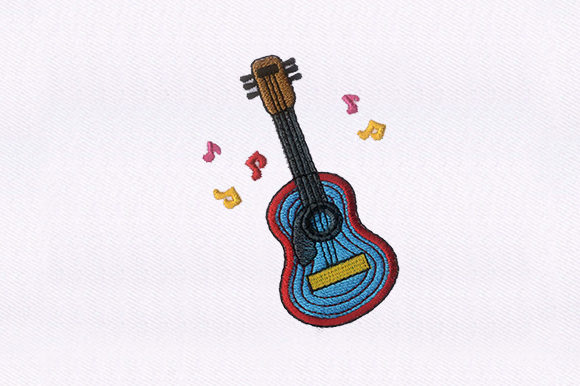
The Guitar design strikes a balance between decorative and straightforward. Its visual mood leans towards a clean, illustrative style rather than hyper-realistic detail. This gives it a certain stitching personality that feels adaptable. It doesn’t scream “rock band” but rather suggests music, craft, and creativity in a more general, appealing way. This makes it a natural fit for a surprisingly wide range of projects, from a personalized gift for a musician to a branded item for a music teacher or a boutique’s general merchandise.
For embroidery designers and small business owners, this kind of design is a valuable asset. It’s not overly niche, which means you can incorporate it into multiple product lines without it feeling out of place. The detail level appears sufficient to be recognizable and attractive, without venturing into areas that might cause stitching issues on certain fabrics or smaller hoop sizes.
Performance in Real Embroidery Projects
My primary consideration was how the Guitar embroidery file would translate onto physical items. I envisioned it on several common products.
Custom Apparel and Home Goods
For custom apparel like sweatshirts or aprons, a design like this needs to stitch cleanly without excessive density that could stiffen the fabric. Based on its visual structure, areas like the guitar body would likely use fill stitches, which require proper stabilizer selection, especially on stretchy fabrics like sweatshirt material. For tote bags and pillow covers, which are more stable, it should perform very well, adding a handmade touch that elevates the product.
Baby items and kitchen towels present a different test: frequent washing. A design with good stitch integrity and sensible density holds up better. The Guitar design, assuming its satin stitch borders and fill areas are well-constructed in the file, should maintain its appearance, making it suitable for a nursery decor blanket or a musician’s themed kitchen towel.
Challenging Surfaces: Caps and Patches
Caps and embroidered patches are the true tests of a design’s engineering. The curved surface of a cap demands a design that can adapt without distortion. Similarly, a patch requires clean edges and manageable detail to look professional when applied. The Guitar shape, being a central object without tiny, intricate lettering or overly layered details, seems promising for these applications. However, this is always contingent on the actual file construction—I would strongly advise testing on scrap fabric or a spare cap panel first.
Practical Considerations for Commercial Use
Using a design for Etsy listings, craft fair products, or commercial embroidery means thinking beyond the stitch.
Product Value and Buyer Trust
A clean, well-embroidered Guitar design on a tote bag or sweatshirt adds perceived value. It turns a plain item into a themed, handmade product. For buyer trust, consistency is key. If you use this design across a product line, it helps build brand consistency. Its visual appeal is gentle enough for giftability—think Father’s Day, birthdays for music lovers, or thank-you gifts for instructors.
For product photography and printable mockups, a design with clear, positive shapes like this guitar is excellent. It renders well in mockups and photographs cleanly on finished items, aiding customer engagement. A messy or overly dense design can look muddy in photos; this one appears to have the clarity needed.
Navigating Fabric and Color Choices
Practical embroidery notes are crucial. On dark fabric, the design’s impact depends on thread color contrast. You’d likely want a bright or metallic thread palette to make it pop. On light fabrics, it offers more flexibility. Always review the stitch density in your machine’s software preview before running the final piece. Dense stitch areas on textured fabric like a towel can snag or look uneven if not stabilized correctly.
Small hoop sizes are another consideration. If you plan to stitch this on a baby blanket corner or a cap’s side panel, you need to confirm the design’s minimum recommended hoop size from the product details. The provided file formats—10O, ART, CND, DSB, DST, DSZ, EXP, HUS, JEF, PCS, PEC, PES, TAP, VIP, VP3, XXX—indicate wide machine compatibility, which is excellent for professionals using various brands. However, hoop size information is not listed here, so you must check the Creative Fabrica product page for that specific detail before committing to a small-scale project.
Final Thoughts Before You Download
Is the Guitar Creative Fabrica embroidery design worth using? From a professional standpoint, it has strong potential for enhancing handmade presentation across multiple product categories in the Music theme. Its versatility is its main selling point.
Before using it for a real customer order, my checklist would be:
- Always test stitch it on a scrap of your target fabric.
- Check thread color contrast for your specific application.
- Compare how it looks in light and dark fabric mockups.
- Use the proper stabilizer for your fabric type—don’t skip this step.
- Inspect small details like potential tight corners or minimal running stitch elements after your test stitch.
- Most importantly, confirm all file details and licensing on the Creative Fabrica product page before selling finished items. Never assume license terms; verify them to ensure your commercial use is compliant.
This design feels like a reliable, decorative asset rather than a complex showcase piece. It won’t single-handedly define your shop, but it can consistently and effectively augment your offerings for music-themed custom apparel, gifts, and decor. For embroidery designers looking for a usable, adaptable digital embroidery file, it’s a solid candidate for your library, provided you follow the practical steps to ensure it performs perfectly on your chosen product.