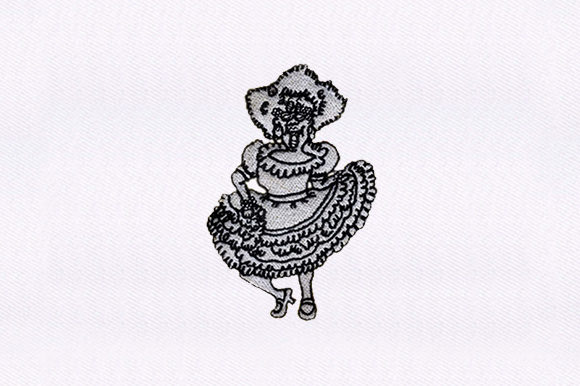
Dancing Old Women: A Small Business Embroidery Design Review
As an embroidery designer creating branded merchandise for clients every day, I approach every new design with a specific lens: how will this file perform for real business use? Today, I’m reviewing the Dancing Old Women machine embroidery design, evaluating its potential for branded patches, staff apparel, and small business merchandise. This isn’t just about decoration; it’s about how an embroidered asset can build brand identity, customer trust, and product value.
First Impression: Playful Energy with Professional Potential
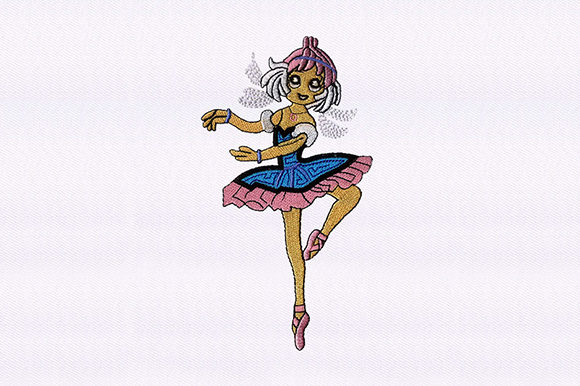
The title Dancing Old Women immediately suggests a playful, spirited, and perhaps rustic or handmade character. For a small business, this communicates a friendly, approachable, and joyful brand personality. It feels less like a corporate logo and more like a signature mark—perfect for cafes, boutiques, creative studios, or handmade shops that want to convey warmth and personality. The design sits in the Dance category, which hints at movement and celebration, a strong thematic fit for businesses centered around community, craft, or celebration.
Evaluating Business Use: From Patches to Aprons
Let’s translate this design into real-world applications. A small business owner might look at Dancing Old Women for several key uses.
Embroidered Patches for Branded Merchandise
This design could become a fantastic embroidered patch applied to tote bags, denim jackets, or as a product label accent. Its thematic energy makes it ideal for customer gifts or event merch. For an Etsy seller or craft business, a patch featuring this design on a handmade product adds a layer of branded authenticity.
Staff Uniforms and Workwear Branding
Consider this as a chest logo accent on staff polo shirts, a sleeve detail on a bakery team uniform, or the central design on a apron embroidery for a florist or café server. The playful nature can make staff feel part of a fun, cohesive team, while still presenting a professional, finished look.
Cap Embroidery and Tote Bag Design
For cap embroidery, the design’s density and detail need careful consideration, but it could serve as a bold front logo for a business offering branded caps. As a tote bag design, stitched directly onto the fabric or as an applied patch, it becomes a walking advertisement for a boutique or studio.
Practical Considerations for Production Success
The provided embroidery file formats list is extensive—including DST, PES, JEF, and others—which means compatibility with most commercial embroidery machines is high. This is crucial for a small business merch producer. However, the success of Dancing Old Women in production hinges on several practical steps.
- Test at Small Patch Size First: Before committing to a production run, stitch out a sample at the intended size, especially if planning a small patch for product labels. Check for clarity of detail.
- Review Thread Color Contrast: The design’s personality will be heavily influenced by thread choice. Test it in black and white first to understand the basic form, then experiment with color palettes that match your brand identity.
- Inspect Spacing and Stitch Density: On curved surfaces like caps, or on textured fabrics like canvas tote bags, high stitch density can present challenges. Use proper stabilizer and confirm the hoop size needed for a clean stitch-out.
- Create a Printable Mockup for Client Approval: If you’re an embroidery shop producing this for a client, a mockup showing the design on the intended custom apparel is essential for approval.
- Test on Real Fabric: Always stitch a sample on the exact fabric type your client will use—whether it’s a thick apron twill, a polo shirt pique, or a canvas tote. Fabric texture dramatically affects the final look.
- Confirm Commercial Licensing: While the file formats are listed, always verify the license terms for the digital embroidery file before using it for commercial embroidery projects. Ensure your business use is covered.
Where to Use Dancing Old Women Carefully
Not every application is ideal. For a design like this, some scenarios require extra attention.
- Very Small Patch Sizes: If reduced too much, intricate details may become lost or create thread buildup.
- Cap Fronts and Curved Surfaces: The design’s potential stitch density might need adjustment for smooth cap embroidery.
- Dark Uniforms: If stitching onto dark fabric, thread color selection becomes critical for visibility and contrast.
- Items for Frequent Washing: For staff uniforms or merchandise that will be washed often, ensure the stitch structure is robust and the finished product is secure.
Impact on Brand Identity and Customer Perception
Ultimately, choosing an embroidery design like Dancing Old Women is a branding decision. Stitched onto your merchandise, it becomes a tangible part of your brand identity. It can enhance customer trust by showing a consistent, cared-for visual presentation. It boosts product value on handmade items or boutique goods, turning a simple tote into branded merchandise. For a local business, it fosters recognition—customers will remember the playful design on your team’s aprons. It supports visual consistency across your design assets, from your online shop to your physical products. Most importantly, it engages buyers by telling a story—of joy, community, and craft—right on the product itself.
Final Designer Notes for Small Business Implementation
My advice as a professional is to treat Dancing Old Women as a strategic design asset. Compare it beside your other branding elements to ensure cohesion. Use it where its playful energy aligns with your brand message. Invest in the proper production testing to ensure quality. And remember, a well-executed embroidered design on your small business merch isn’t just a decoration; it’s a mark of your professionalism and a direct conversation with your customer. This design, with its inherent character, has the potential to start that conversation with a smile.