A Review: Apricot Fruits Sliced Redwork Design
From an embroidery designer's perspective, preparing for a weekend craft fair means scrutinizing every digital embroidery file not just for its aesthetic, but for its practical selling power. Today, I'm looking at Apricot Fruits with Sliced Redwork, a design squarely in the popular Food category, and evaluating its potential as a craft fair product.
First Impression: Rustic Charm with Modern Appeal
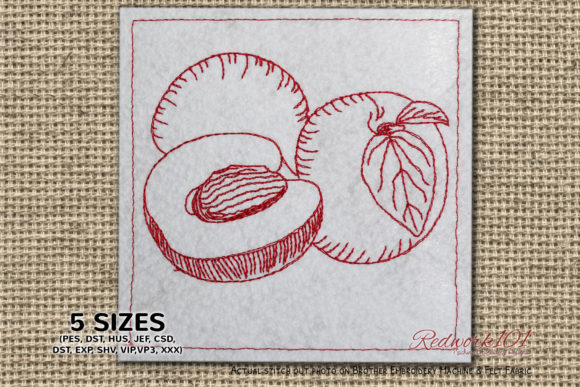
The title alone, Apricot Fruits with Sliced Redwork, suggests a specific, illustrative style. It evokes a feeling of rustic charm, but not overly farmhouse. It leans decorative, soft, and elegant. The mention of "redwork"—a classic embroidery technique—implies a potentially premium, handmade quality that buyers appreciate. The optional box stitch detail, with the note that its color can differ or be skipped, adds a layer of flexibility. This isn't a loud, bold graphic; it's a design that speaks to customers looking for a subtle, artful touch on their everyday items.
Where This Design Stands Out on the Craft Fair Table
Imagine your booth display: tote bags, aprons, tea towels, patches, caps, and pillow covers. Apricot Fruits with Sliced Redwork would naturally gravitate toward kitchen and home goods. Its appeal is immediate on a crisp, white tea towel or a natural linen apron. On a canvas tote bag, it becomes a sophisticated statement. The key is to place it on products where the food theme feels intuitive and enhances the item's purpose.
For customer attention, this design wins through its clarity and subject matter. At a glance, people understand it—it's a beautiful depiction of fruit. This instant recognition is vital in a bustling market. It works excellently as a medium-sized focal design. While it could be scaled down for a small patch or pouch accent, ensure the sliced details remain clear. On a curved cap surface, test it first; simpler designs sometimes adapt better to complex contours.
Top Product Recommendations for Selling
- Tea Towels & Aprons: The natural home. These are staple handmade products and the design elevates them from utilitarian to giftable.
- Tote Bags & Market Bags: Offers a more premium, reusable product. The design photographs beautifully here for Etsy listings.
- Pillow Covers (Kitchen or Living Room): Creates a high-value item for boutique makers.
- Fabric Pouches & Giftable Items: As a smaller accent, it makes a small pouch feel special and artisanal.
Practical Production for the Small Shop Owner
Turning this embroidery file into batch-produced items requires a practical eye. The description hints at potential complexity with an optional box stitch and color variations. As a professional, my first step is always to test the design on scrap fabric. This reveals everything.
Critical Embroidery Designer Notes
- Stitch Density & Details: Check for dense stitch areas, especially if the apricot slices have interior detailing. This can affect production time and suitability for thicker fabrics like denim for caps.
- Thread Contrast: On dark fabric, the classic "redwork" may need rethinking. A contrast check is essential—perhaps a cream or light grey thread for darker backgrounds.
- Hoop Size & Stabilizer: The design's scale will dictate the minimum hoop size. Use the correct stabilizer, especially for textured towels or slick bag fabrics, to maintain crispness.
- Photography & Online Sales: This design should photograph well for Etsy sellers. Its illustrative nature looks professional in printable mockups, but always create at least one real physical mockup. The texture of the stitches adds tangible handmade quality that digital mockups can't capture.
Regarding batch production, Apricot Fruits with Sliced Redwork feels repeatable if the stitch count isn't excessively high. It supports brand consistency for a shop focused on food or nature themes. However, the optional elements mean you must standardize your approach—decide early if you're including the box and what color it will be (or if you'll skip it) for your commercial embroidery products.
Navigating Potential Challenges for a Smooth Sale
Every design has its careful-use notes. For this one, pay close attention to tiny details in the sliced fruit sections. If reduced too much for a patch, those details might blur, losing clarity. Small lettering, if present, should be scrutinized. Also, consider fabric texture; a heavily textured linen might obscure finer lines.
The final, non-creative but utterly crucial step: confirm your commercial licensing for the digital embroidery file before selling any finished product. This protects your small business. Do not assume; verify the terms.
Final Booth Display & Buyer Engagement Thoughts
In your craft fair booth, grouping products featuring Apricot Fruits with Sliced Redwork creates a cohesive, strong display theme. A tea towel next to a matching apron tells a story. This engages buyers by showing versatility. It increases perceived product value—a customer might buy the towel and the tote because they love the consistent artistic style.
This design isn't a flashy trend piece; it's a timeless, elegant illustration. Its strength is in its ability to make ordinary objects feel carefully crafted and special. For the embroidery business owner, it represents a reliable, marketable asset that, with thoughtful production and presentation, can become a quiet star of your handmade product line.