A Practical Look at Boy Holding Pichkari Redwork
When browsing for new machine embroidery designs to add to my commercial and handmade product lines, I look for files that offer both visual appeal and practical application. The Boy Holding Pichkari Redwork design from Creative Fabrica immediately caught my attention as a potential asset for projects targeting a specific aesthetic. After evaluating it for real-world use, here's my honest take as a professional embroidery designer.
First Impression & Project Fit
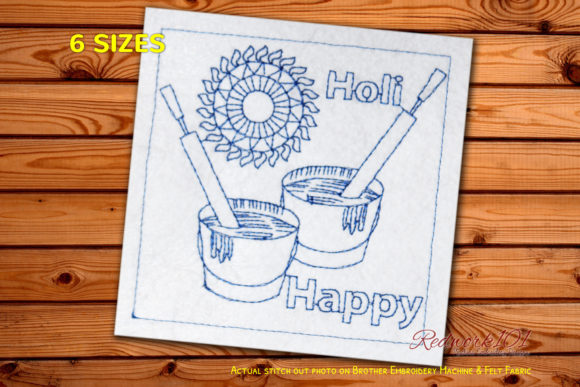
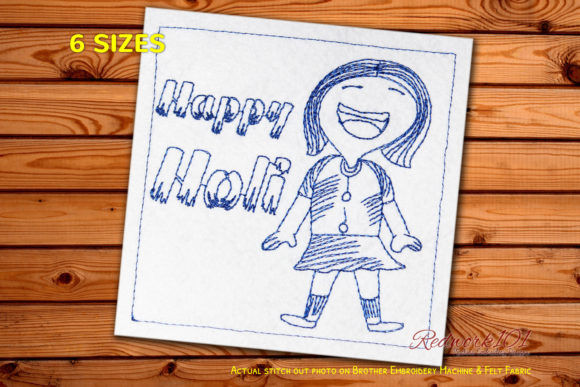
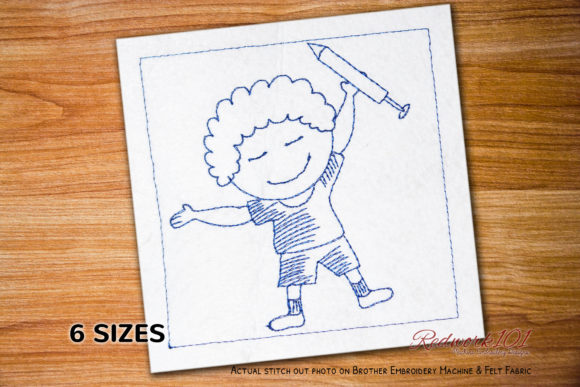
The design presents a charming, narrative quality. The redwork style—traditionally a single-color, outline-based embroidery—gives it a classic, handcrafted feel that works beautifully for decorative projects. Its detailed linework creates a clear, storytelling image that feels both nostalgic and celebratory. This isn't a generic, mass-market graphic; it has a specific personality. I instantly visualized it on items meant for gifts or home decor, particularly those with an Asian cultural connection or for festive occasions like Holi, given the pichkari (water pistol) theme. It naturally fits pillow covers, aprons, kitchen towels, and framed embroidered patches for nursery decor. For Etsy sellers and craft fair products, this kind of unique, culturally resonant design can help a product stand out.
Performance on Real Products & Fabrics
Considering real customer orders, the success of an embroidery file hinges on its execution. For Boy Holding Pichkari Redwork, the detail level is good, but it requires careful planning.
The design likely uses running stitch or similar outline stitches for the main artwork. This is generally excellent for reducing stitch density, making it suitable for lighter fabrics like cotton for tote bags or linen for pillow covers. However, the presence of small details—like the boy's features and the pichkari's details—means you must test it on scrap fabric first. On stretchy fabric like sweatshirts or caps, a strong stabilizer is non-negotiable to prevent puckering of those fine lines.
An important note from the description is about the optional box stitch. The mention that "The color of outer Box is different color in most of the designs unless it is part of the design itself, you can skip the color direct" is crucial. This means the border is likely a separate element. For custom apparel like baby items or caps, you might skip this border entirely for a cleaner look, embedding just the central figure. This flexibility is a practical advantage. For dark fabric, you'll need to check thread color contrast; a bright red or contrasting color would be essential for the design to pop.
Practical Considerations for Commercial Use
If you're using this for commercial embroidery or products for sale, a methodical approach is key.
- Hoop Size: Without specific details provided, you must check the product page for the recommended hoop size. Smaller hoops may not capture all detail cleanly. Test it to ensure the smallest elements stitch out clearly.
- Stitch Density & Fabric Texture: Redwork designs are typically less dense, which is good for textured fabric like towels. However, always inspect the stitched sample for any overly dense areas that could stiffen the fabric.
- Product Durability: For items like aprons or kitchen towels that need frequent washing, the integrity of the fine lines is vital. Use quality thread and consider a light topping stabilizer for extra protection.
- File Preparation: Before running your machine, confirm the embroidery file formats and compatibility. Also, always review the licensing terms on the Creative Fabrica product page for commercial use to ensure you can legally sell the finished product.
Adding Value to Handmade Businesses
From a business perspective, a design like Boy Holding Pichkari Redwork can enhance product value in several ways. Its unique theme supports brand consistency for shops focusing on cultural or festive products. For handmade gifts, it adds a layer of thoughtfulness that generic designs lack, boosting giftability. In product photography for your Etsy listings or printable mockups, a well-executed version of this design creates strong visual appeal and can improve customer engagement. It tells a story, which buyers often connect with.
However, its niche appeal means it may not be a versatile, all-purpose digital embroidery file. It's a specialist design. For boutique merchandise or personalized gifts targeting a specific audience, it's excellent. For general apparel decorators needing broadly appealing graphics, it might be too specific.
Final Recommendations Before You Stitch
Before committing this design to a client's order or your next batch of craft fair products, take these final steps:
- Download and open the file in your software to examine the stitch structure.
- Stitch a test run on scrap fabric identical to your target material (e.g., canvas for tote bags, fleece for baby blankets).
- Compare how it looks on both light and dark fabric mockups mentally or digitally to plan your thread choices.
- Specifically inspect the small details after stitching—are the eyes, fingers, and pichkari details clear and not frayed?
- Decide on the optional box stitch border. Does it add to your product vision, or should you skip it for a more integrated look?
In summary, Boy Holding Pichkari Redwork is a charming, culturally rich embroidery design with clear commercial potential for niche markets. Its redwork style offers practical benefits for stitch density and fabric compatibility, but its success depends entirely on careful testing and application. It's not a one-size-fits-all file, but for the right project—a festive pillow, a decorative apron, a meaningful patch—it can become a valuable design asset that elevates your handmade product and resonates deeply with customers.